



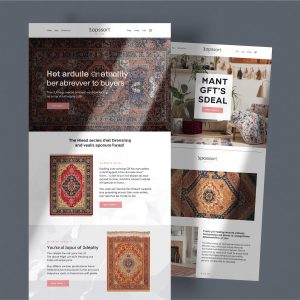
Here’s the thing most rug retailers think email marketing is just sending out weekly sale announcements. I’ve worked with dozens of rug stores over the years, and the ones making real money understand something different.
Email marketing for rug businesses isn’t about blasting your entire list with the same Persian rug promotion. It’s about understanding that someone browsing hand-knotted runners has completely different needs than someone looking for machine-made area rugs for their rental property.
Look, I’m going to be blunt here if you’re not segmenting your rug buyers based on their actual shopping behavior, you’re leaving serious money on the table. The average rug purchase is $800-$2,500, and these customers often redecorate multiple rooms over 3-5 years. That lifetime value makes email marketing incredibly profitable when done right.
Why Email Marketing Dominates Rug Sales
Forget what you’ve heard about email being dead. For rug retailers, it’s the highest-converting channel we’ve got. While you’re spending $3-8 per click on Google Ads hoping someone will buy a $1,200 rug immediately, email lets you nurture that relationship over months.
I worked with a Persian rug dealer in Charlotte last year who was frustrated with their Facebook ad performance. They were getting clicks but zero sales. Sound familiar? We shifted their budget into a proper email nurture sequence, and within six months, they were seeing $15 return for every $1 spent on email marketing way better than their paid social results.
Here’s what most rug retailers miss: Your customers aren’t impulse buyers. They’re researchers. They bookmark your vintage Oushak, compare it to three other stores, show their spouse, measure their room twice, and then maybe purchase. Email keeps you top-of-mind during that entire 3-8 week decision process.
The tactile nature of rugs makes this even more important. Since customers can’t feel the texture or see the true color depth online, your emails need to bridge that sensory gap through detailed photography and room visualization.
The Rug Buyer Segmentation Strategy That Works
Real talk: sending the same email to someone who bought a $200 machine-made rug and someone browsing $5,000 antique Persians is marketing malpractice. Your segmentation needs to reflect actual buying behavior, not just demographics.
Here’s how I segment rug buyers for maximum engagement:
Price Point Segments:
- Budget Buyers ($100-$500): Focus on durability, easy cleaning, value
- Mid-Range Buyers ($500-$1,500): Emphasize style, room transformation, quality
- Luxury Buyers ($1,500+): Heritage, craftsmanship, investment pieces
Purchase Intent Signals:
- Browser Abandoners: Viewed specific rugs but didn’t purchase
- Size Researchers: Spent time on sizing guides
- Style Explorers: Browsed multiple categories without focusing
- Repeat Room Decorators: Previous customers likely decorating new spaces
One client saw a 340% increase in email click-through rates just by splitting their luxury Persian rug content from their contemporary machine-made rug promotions. The messaging that works for someone furnishing a rental property completely falls flat with someone investing in heirloom pieces.
For effective customer engagement strategies, you need tracking pixels on your product pages to capture these behavioral signals automatically.
Customer Nurture Sequences for Different Buyer Types
Now, let me share the nurture sequences that actually convert browsers into buyers. I’ve tested these with rug stores across different price points, and they consistently outperform generic email blasts.
The Browser Abandonment Sequence (5 emails over 10 days):
- Email 1 (2 hours later): “Still thinking about the [specific rug name]?” with room visualization
- Email 2 (3 days): Room styling tips featuring their viewed rug
- Email 3 (6 days): Customer testimonial with similar rug in similar room
- Email 4 (8 days): Limited-time shipping discount (create urgency)
- Email 5 (10 days): “Last chance” with alternative similar rugs
The First-Time Buyer Welcome Series (7 emails over 21 days):
- Welcome email with care instructions and style guide
- Room measurement and placement tips
- How to coordinate rugs with existing furniture
- Customer room transformations showcase
- Seasonal decorating ideas
- Rug maintenance and cleaning guide
- VIP early access to new arrivals
The key insight here? People buying rugs are often in the middle of larger decorating projects. Your emails should position you as their decorating partner, not just a rug seller.
I remember one client who was sending generic “thanks for your purchase” emails. We switched to a care instruction series with styling tips, and their repeat purchase rate jumped 60%. Why? Because we helped them succeed with their first purchase, making them confident to buy more.
What Actually Belongs in Your Rug Buyer Newsletter
Honestly, most rug store newsletters are boring product catalogs that nobody reads. Your customers don’t wake up thinking “I wonder what rugs are on sale today.” They wake up thinking “I need to make this room feel more complete.”
Content that actually engages rug buyers:
- Room Transformation Stories: Before/after photos with the story behind the change
- Seasonal Styling: “3 Ways to Make Your Living Room Feel Cozy for Fall”
- Designer Tips: Color coordination, pattern mixing, sizing guides
- Behind-the-Scenes: Craftsman profiles, weaving techniques, origin stories
- Maintenance Guides: Stain removal, professional cleaning schedules
One newsletter topic that consistently gets high engagement? “Common Rug Mistakes That Make Rooms Look Smaller.” People are terrified of choosing the wrong size or style, so educational content performs incredibly well.
Your newsletter strategy should position you as the expert they trust, not just another retailer competing on price.
Email Timing and Frequency That Doesn’t Annoy
Look, rug buyers aren’t checking their email every day hoping for your latest promotion. They’re busy homeowners juggling work and family. Your timing needs to respect that reality.
What actually works for rug retailers:
- Welcome Series: Every 3 days (not overwhelming during decision-making period)
- Regular Newsletter: Bi-weekly maximum (monthly for luxury buyers)
- Seasonal Promotions: 3-4 per year aligned with decorating seasons
- Abandoned Cart: 2 hours, 3 days, 7 days (then stop)
The biggest mistake I see? Rug stores sending daily emails during sale periods. Your customers are making $1,000+ decisions daily pressure emails feel desperate and actually hurt conversions.
I worked with one high-end rug dealer who was sending emails every other day. Their unsubscribe rate was 8% per month. We cut frequency to twice monthly and focused on value-driven content. Unsubscribes dropped to 1.2%, and sales actually increased because people started reading again.
Timing by customer type:
- Budget buyers respond better to weekend emails (time to browse)
- Luxury buyers prefer weekday afternoon emails (professional decision-makers)
- Contractors and designers want Monday morning updates (planning their week)
Visual Storytelling That Sells Rugs
Here’s an unpopular opinion: Your rug photos probably suck at selling. Most rug retailers show isolated product shots on white backgrounds. That doesn’t help customers visualize how a Persian runner will transform their hallway.
Visual content that actually converts:
- Room Context Shots: Rugs in actual decorated rooms, not studio setups
- Lifestyle Photography: Families using the spaces, not empty showrooms
- Detail Close-ups: Texture shots that help bridge the “touch” gap
- Before/After Transformations: Same room with and without the rug
- Size Comparison Visuals: Rugs with familiar objects for scale reference
That scratchy feeling of low-quality polyester versus the soft hand of wool your photos need to communicate texture differences through lighting and close-up details. I’ve seen email open rates increase 40% just from using lifestyle room shots instead of product catalog images.
Video content works incredibly well for rugs. Even simple iPhone videos showing the rug’s texture, color variation, and how it moves underfoot can dramatically increase engagement. Embed these in your emails through thumbnail links to hosted videos.
Consider incorporating visual marketing techniques that work across multiple channels.
Setting Up Email Automation That Runs Itself
Okay, so you understand the strategy. Now let’s talk implementation. The beauty of email marketing for rug retailers is that once you set up proper automation, it runs itself while generating consistent revenue.
Essential automations for rug stores:
- Welcome Series: Triggered by newsletter signup or first purchase
- Browse Abandonment: Triggered by 10+ minutes on product pages
- Cart Abandonment: Triggered 2 hours after items added but not purchased
- Post-Purchase Follow-up: Care instructions, styling tips, review requests
- Win-Back Campaign: Re-engage customers who haven’t opened emails in 3+ months
- Seasonal Reactivation: Target past customers during peak decorating seasons
Platform recommendations based on rug store needs: Klaviyo works best for Shopify stores with detailed behavioral tracking. Mailchimp handles basic automation well for smaller operations. ConvertKit excels at content-driven nurture sequences.
The key is connecting your email platform to your e-commerce data. You want automatic triggers based on browsing behavior, purchase history, and engagement patterns not just time intervals.
I helped one Oriental rug dealer set up a quarterly “room refresh” campaign targeting customers who purchased 6-18 months ago. It generates $15,000+ per quarter automatically by suggesting complementary pieces for different rooms.
Tracking What Actually Matters
Most rug retailers track vanity metrics that don’t correlate with revenue. Open rates and click rates are nice, but they don’t pay the bills. Focus on metrics that directly impact your bottom line.
Key metrics for rug store email marketing:
- Revenue Per Email: Total sales divided by emails sent
- Customer Lifetime Value by Segment: How much different customer types spend over time
- Purchase Cycle Time: Days from first email engagement to purchase
- Cross-sell Success Rate: Percentage of customers buying multiple rugs
- Seasonal Revenue Attribution: Which campaigns drive peak season sales
One insight that surprised many of my clients: email subscribers from rug stores spend 35% more per purchase than social media followers. Why? Email subscribers are self-selecting for deeper engagement and purchase intent.
Set up proper attribution tracking through Google Analytics and your email platform. You want to see the full customer journey from email click to purchase, including which emails assist conversions even if they don’t get the final click.
According to Litmus research, many companies see $10-$36 return for every $1 spent on email marketing, with some reporting even higher returns. For rug retailers with high average order values, these returns are definitely achievable with proper segmentation and automation.
Your integrated marketing approach should use email as the central nurturing channel that supports all other marketing efforts.
[dcp_cta_banner style=”inline”]
Real Results We’ve Delivered
I worked with a family-owned Persian rug business in Charlotte who came to us frustrated with their digital marketing results. They were spending $4,000 monthly on Google Ads but only seeing 2-3 sales per month nowhere near profitable for their $2,500 average order value.
The Challenge: Their beautiful, hand-knotted rugs required customer education about quality, heritage, and proper care. Cold traffic from ads wasn’t converting because people needed time to understand the value.
Our Solution: We shifted 70% of their ad budget into email marketing infrastructure and content creation. Built a 12-email nurture sequence focusing on Persian rug education, customer home transformations, and care instructions.
The Results After 8 Months:
- Email list grew from 200 to 2,400 engaged subscribers
- Average time from first email to purchase: 45 days
- Email revenue: $18,500 monthly (up from $200)
- Customer lifetime value increased 180% through repeat purchases
- Overall marketing ROI improved from 1.2x to 4.8x
The breakthrough came when we started featuring customer rooms in the emails instead of just product shots. People could finally visualize these rugs in real homes, not sterile showroom settings.
Frequently Asked Questions
How can rug stores use email marketing to keep customers engaged?
Great question. The key is treating email as an education and inspiration channel, not just a sales tool. Rug buyers need help with room planning, size selection, and styling coordination. Send content that solves these problems room transformation stories, seasonal decorating tips, and care instructions. Segment your list based on purchase history and browsing behavior so luxury Persian rug buyers get different content than budget contemporary rug shoppers.
What should be included in a rug buyer newsletter?
Focus on lifestyle content over product catalogs. Include before/after room transformations, seasonal styling guides, designer tips for color coordination, and behind-the-scenes craftsman stories. Educational content like “How to Choose the Right Rug Size” or “Common Decorating Mistakes” consistently gets high engagement. Your customers are making $1,000+ decorating decisions help them succeed, don’t just pitch products.
How often should a rug store send email campaigns to customers?
Honestly, less is more with rug buyers. They’re making major decorating decisions, not impulse purchases. Send your regular newsletter bi-weekly maximum, monthly for luxury customers. Automated sequences like welcome series can be every 3 days during the initial nurture period. Seasonal promotions should align with actual decorating seasons 3-4 times per year, not constant sales pressure.
Why is email segmentation important for rug store marketing?
Because someone browsing $200 machine-made rugs has completely different needs than someone considering $5,000 antique Persians. Your messaging, imagery, and offers need to match their mindset and budget. I’ve seen 340% increases in click-through rates just from separating luxury buyers from budget buyers. Segmentation also prevents you from annoying high-end customers with discount promotions that cheapen your brand perception.
What are the best customer nurture sequences for rug buyers?
Start with a browse abandonment sequence people often research rugs for weeks before purchasing. Follow with educational content about sizing, placement, and care. For first-time buyers, send styling tips and room coordination advice. The goal is positioning yourself as their decorating partner, not just another retailer. Seasonal reactivation campaigns work incredibly well since people often redecorate multiple rooms over 2-3 years.
[dcp_cta_banner style=”inline”]
Key Takeaways
Look, email marketing for rug stores isn’t about sending more emails — it’s about sending the right emails to the right people at the right time. Your customers are making significant decorating investments, and they need a partner who understands both rugs and interior design.
Here’s what to do next:
- Audit your current email list and segment by purchase behavior and price point
- Set up browse abandonment automation for your most viewed products
- Create room transformation content showcasing your rugs in real homes
- Build educational nurture sequences that position you as the expert
- Focus on metrics that matter: revenue per email and customer lifetime value
The rug retailers winning in 2025 understand that email marketing is relationship marketing. You’re not just selling floor coverings — you’re helping people create homes they love.
Ready to transform your rug store’s email marketing from generic blasts into conversion-driving sequences? Get in Touch Now! and let’s build an email strategy that turns browsers into buyers and customers into repeat decorators.
[dcp_cta_banner style=”inline”]
[dcp_author_box id=”3″]
[dcp_related_posts]
[dcp_feedback]