


In today’s digital world, businesses have more options than ever regarding marketing and design. But with so many choices comes great debate: print or digital? Which is the right fit for your brand?
In this article, we’ll break down the key differences between print and digital design to help you determine the better investment for reaching your business goals. Read on to unlock the secrets of great design and take your marketing to the next level!
What Exactly is Print Design?
Let’s start from the top. Print design refers to graphics and layouts specifically created for printed materials. This includes things like:
- Branding assets and logo design
- Packaging and label design
- Magazine and book layout
- Brochures, fliers, and posters
- Business cards and stationery
- Banners, signs, and displays
When I started my design business, Fresh Look Studios, most of my early projects fell into the print category. Restaurant menus, event posters, brochures – you name it, I designed it for print!
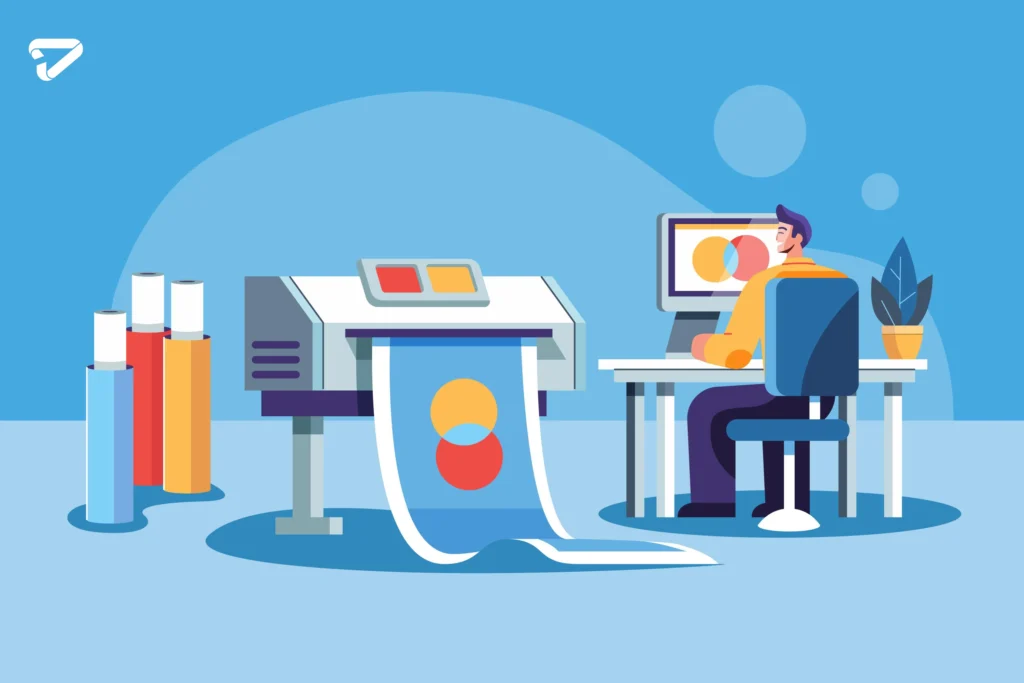
In print, the phrase “what you see is what you get” really applies. Once something is sent to the printer, there’s no going back to make changes or edits. The resolution needs to be high and the details precise.
For example, I’ll never forget when a client asked me to design a huge backdrop banner for a gala event. We sent the files to the printer, and when the banner arrived, we realized too late that the word “Gala” was misspelled! It was definitely a lesson in triple-checking before sending it to print.
The Allure and Innovation of Digital Design
On the other end of the spectrum, we have digital design. This refers to graphics and layouts meant for online viewing, including:
- Website design
- Landing pages and digital ads
- Social media posts and profile pictures
- Email newsletters and e-vites
- Digital products like eBooks
- Animation and motion graphics
When I pivoted my design business to focus on digital assets, it opened up a new world of possibilities.
With digital design, you have much more flexibility than print. If a client decides they want to change a color or rearrange some text on their website, it’s an easy fix. Digital lets you get creative with interactive or animated elements that bring visuals to life.
That said, digital design still requires a thoughtful design strategy. You must ensure your graphics look great and convey the intended message across various screen sizes. Mobile responsive design is a must these days!

The Key Differences: Print vs Digital Design
Now that we’ve defined both forms of design let’s explore how they differ:
Static vs Interactive
Print design is fixed once produced. What you see on that billboard or brochure is what you get. Digital design, on the other hand, is flexible and interactive. Website visitors can click links, watch videos, or engage with animations. There’s action beyond just passive viewing.
Tactile Experience
There’s something special about holding a thoughtfully designed print piece. The thickness of a business card and the smooth gloss of a magazine cover print provide a tactile experience you can’t find online. But digital design has its perks, too, like incorporating multimedia elements to engage the senses.
Usability and Navigation
Well-designed print materials like brochures, flyers, and manuals allow for intuitive usability through flipping pages and folios. Online usability and navigation require more strategic planning with menus, calls-to-action, and intuitive layouts. If not properly executed, a digital destination can easily confuse users.
Layout and Composition
Print design requires fitting visuals, text, and information within fixed dimensions. Digital platforms offer more flexibility for rearrangement as needed. Print also demands higher resolution imagery, while digital graphics can be smaller or compressed.
Color Format
When designing for print, CMYK is the standard color format. This stands for cyan, magenta, yellow, and essential (black). Digital design is better suited for RGB or HEX colors. RGB represents red, green, and blue light emitted from screens. HEX codes define colors with six-digit combinations.
Typography
Font selection requires special consideration for both print and digital. Print allows for more creative freedom. For digital, legible fonts that render well on screens are a must. You also lose control over how fonts display based on users’ device settings.
Which is Right For Your Business?
So, when it comes to choosing print or digital design, which is the best fit? Here are a few key factors to consider:
- Print design is hard to beat if you want a tangible, lasting impression. Think brochures, postcards, flyers, and direct mail.
- For flexibility, constant accessibility, and driving digital engagement, focus your efforts on digital design. Social graphics, website design, and email marketing are great examples.
- Don’t feel limited to one or the other! Many businesses successfully combine print and digital design for integrated campaigns across platforms.
- Reflect on your business’s specific goals, brand style, and target audience to determine if print, digital, or both will give you the most ROI. Great design in any form has the power to captivate viewers and drive conversions when strategically executed.
The possibilities are endless – but no matter which route you choose, investing in professional, high-quality design is one of the smartest moves you can make to elevate your brand and connect with customers.

Conclusion
The debate between print and digital design continues to wage on. But in today’s omnichannel business landscape, the two can complement each other beautifully when aligned with your specific business needs and audience preferences.
With a skilled designer, you can leverage the unique advantages of both print and digital design to create show-stopping. These results-driven creatives bring your brand to life across platforms.
Ready to get started? Try our graphic design charlotte services. I’d love to hear more about your business goals and collaborate on a design plan tailored to your brand’s success. Let’s talk design magic!