Danabak works with rug stores, Persian and Oriental rug dealers, galleries, and rug cleaners in markets across the United States. Each page below explains how rug buyers search and shop in that city or state, and how we approach SEO, Google Ads, and designer outreach there.
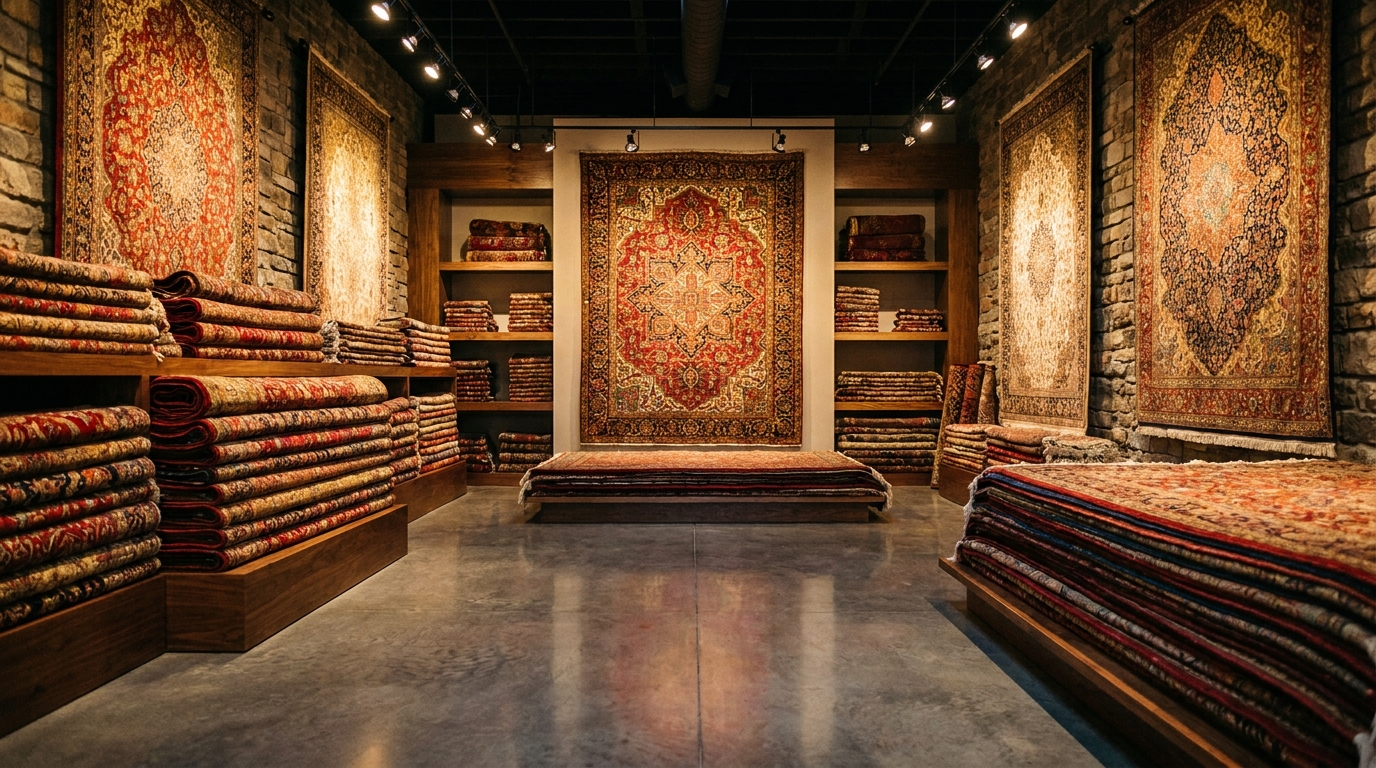
Danabak is a digital marketing agency based in Charlotte, North Carolina that specializes in rug businesses. Rug buying is local, and every market behaves differently. A Manhattan showroom competes on speed and decorator relationships, a Naples gallery on seasonal luxury buyers, and a Tucson dealer on Southwestern homes and dry climate care. Choose your city or state below to see the local market and the approach we take there. If your market is not listed, we still work with rug businesses anywhere in the United States.
From Manhattan trade showrooms to Washington, DC embassies and Richmond antique buyers.
New York's rug market splits sharply between a dense, design driven downstate scene and a slower, relationship based upstate trade.
New York City is the most competitive and highest value rug market in the country, anchored by Manhattan's trade showrooms and a buyer base that expects both taste and speed.
Long Island is a chain of distinct rug markets stretched across two counties, not a single city with one set of buyers.
Washington is a market where diplomats, professionals, and design trade buyers actively search for rug expertise.
Northern Virginia spans wealthy inner suburbs, fast growing Loudoun communities, and a service radius that overlaps directly with Washington, DC.
Richmond rewards rug businesses that market to buyers across established neighborhoods and newer suburban growth areas alike.
Designer driven markets around Charlotte, Atlanta, Nashville, and the Carolinas.
North Carolina's rug market splits across five distinct regions, each with its own buyers, competition, and reasons to search.
South Carolina splits into two distinct rug markets: the historic coastal galleries of the Lowcountry and the growing Upstate design trade around Greenville.
Georgia's rug market runs through Atlanta and ADAC, with Savannah, Augusta, Athens, and Columbus each supporting smaller, independent buyer bases.
Tennessee's rug market spans a fast growing Nashville, a historic Memphis antique trade, and smaller galleries in Knoxville and Chattanooga.
Kentucky's rug market splits between Louisville's historic-home buyers and Lexington's horse-country wealth, with Bowling Green and Northern Kentucky growing fast.
Alabama's rug market runs through four distinct metros, each with its own buyers, price points, and search habits.
Raleigh is the anchor of a fast growing Triangle market where rug buyers research extensively before visiting a showroom.
Greenville rewards rug businesses that show up locally online, from Augusta Road showrooms to Upstate mountain estates.
Atlanta's rug market runs on its design trade as much as its retail foot traffic.
Nashville is one of the fastest growing metro areas in the country, and its rug buyers expect a modern online experience.
Memphis rug buyers split between old money historic neighborhoods and newer eastern suburbs, each with different taste and budget.
Louisville rewards rug businesses that reach the right neighborhoods with the right message.
Seasonal luxury buyers, coastal homes, and a humid climate that shapes rug care.
Florida is a collection of distinct rug markets, from year-round metros to seasonal luxury enclaves, not one statewide market.
Miami combines an international luxury clientele centered on Bal Harbour and the Miami Design District with a broader South Florida market that wants oriental and Persian rugs suited to a humid, coastal climate.
Naples is one of the wealthiest seasonal markets in the country, with a design driven, provenance conscious clientele for rugs.
Sarasota rewards rug businesses that market to seasonal luxury buyers with strong design taste across its barrier islands and inland communities.
Tampa is a Gulf Coast market where waterfront wealth, seasonal residents, and design minded buyers shape rug demand.
Orlando spans old money Winter Park estates and new construction in Lake Nona, and rug marketing has to speak to both.
Jacksonville's rug market spans one of the largest city footprints in the country and a coastal climate that shapes how homeowners buy, care for, and clean their rugs.
Large, spread out metros where drive time decides which showroom a buyer visits.
Texas rug demand splits across several major metros, each with its own competition, price point, and customer base.
Louisiana combines a deep New Orleans antique rug tradition with active, separate rug markets in Baton Rouge, Lafayette, and Shreveport.
Arkansas splits into two very different rug markets: fast growing, design forward Northwest Arkansas and the established Little Rock metro.
Missouri is a two metro rug market split between St. Louis's antique buyers and Kansas City's design focused households.
Houston's rug market spans old money Uptown galleries, a large working design trade, and one of the most ethnically diverse buyer bases in the country.
Dallas rug buyers span old money estate neighborhoods, fast growing northern suburbs, and a concentrated design trade unlike any other Texas market.
Austin is a fast growing, design driven market where new luxury construction is creating rug buyers faster than any single gallery relationship can capture.
San Antonio spans several distinct luxury pockets, each with its own rug buying habits.
Oklahoma City spans old money estates and growing suburban wealth, both markets for handmade and high value rugs.
Established neighborhoods with formal rooms alongside fast growing executive suburbs.
Ohio's rug market centers on three major metro areas, each with distinct buyer expectations and price points.
Nebraska's rug market centers on Omaha, with Lincoln as a strong secondary hub and demand scattered across a mostly rural state.
Chicago's rug market spans downtown showrooms, wealthy North Shore estates, and a design trade centered on the Merchandise Mart.
Columbus mixes established, tradition minded neighborhoods with newer executive suburbs, and both expect a modern online buying experience.
Indianapolis rug buyers split between old money neighborhoods and fast growing wealthy suburbs, and each needs a different approach.
Desert and mountain homes, winter visitors, and dry climate rug care.
Arizona is a desert state with a rug market shaped by seasonal winter visitors and dry climate care needs.
New Mexico is a Santa Fe anchored fine rug and textile market with strong statewide demand from Albuquerque to Las Cruces.
Phoenix rewards rug businesses that reach both loyal local buyers and the seasonal winter crowd searching before they ever visit a showroom.
Scottsdale is a resort and second home market where rug buyers expect a curated, design forward shopping experience.
Tucson rug buyers stretch from the Catalina Foothills to Oro Valley and Dove Mountain, each with different expectations and different competition.
Denver rug buyers split between mountain modern homes and traditional estates, and your marketing needs to speak to both.
Colorado Springs supports a small but serious market for Oriental, Persian, and antique rugs.
Design trade centers in Los Angeles and San Francisco, and design conscious buyers from San Diego to Seattle.
California is a multi market rug state, and Los Angeles, the Bay Area, San Diego, Orange County, and the desert cities each behave differently.
Los Angeles is the largest and most design sophisticated rug market in the country, spread across a metro where traffic and neighborhood identity decide which dealers a buyer will actually drive to see.
San Diego rewards rug businesses that understand its coastal design taste and spread out, design conscious neighborhoods.
San Francisco's rug market runs on two tracks: old established antique collectors and the interior design trade at the SF Design Center.
San Jose anchors a Silicon Valley rug market shaped by high household income and a deep mix of modern and traditional taste.
Sacramento's rug buyers range from Fabulous Forties collectors to Folsom Lake newcomers furnishing new construction homes.
Seattle's rug market splits between old money neighborhoods in the city and even wealthier Eastside suburbs across the lake.
Portland rewards rug businesses that show up in local search and look credible to design conscious buyers.
We review your website, Google Business Profile, and current marketing, then recommend the few changes that will bring the most showroom visits and quote requests in your market. Book a free marketing audit or read how we approach digital marketing for rug businesses.