


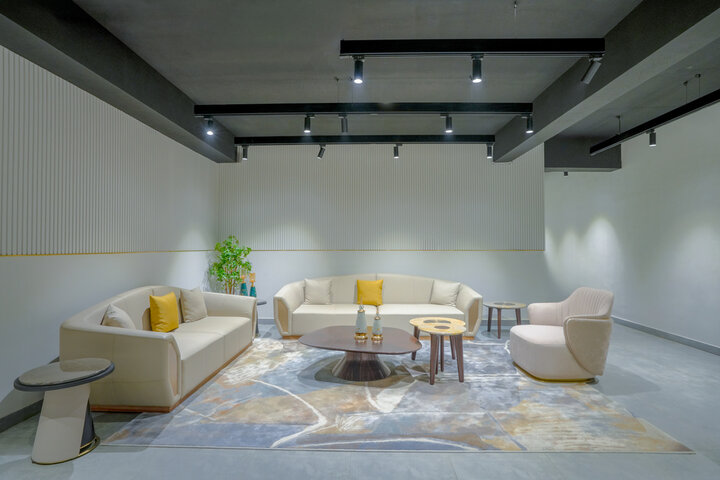
A designer referral program can help a rug showroom build stronger relationships with interior designers and turn those relationships into repeat business. Many rug showrooms already work with designers, but the process is often informal. A designer sends a client once, the showroom helps with the sale, and then the relationship depends on memory, timing, and personal follow-up.
A referral program makes that relationship clearer. It gives designers a reason to recommend your showroom, explains how referrals are handled, and creates a professional system for rewarding successful introductions.
For rug businesses, this matters because interior designers can influence multiple purchases across many projects. One strong designer relationship can lead to residential projects, luxury homes, staging work, commercial interiors, hospitality spaces, and long-term repeat sales.
A strong rug marketing strategy should not only focus on one-time buyers. It should also build referral channels with people who already guide buying decisions.
Quick Answer
A designer referral program for a rug showroom is a structured system that rewards interior designers for sending qualified clients to the showroom. It usually includes clear referral rules, tracking, designer benefits, communication, reward options, and follow-up. The goal is to make it easy for designers to refer clients while helping the showroom build repeatable, trust-based sales.
Why Designer Referrals Matter for Rug Showrooms
Interior designers are valuable because they already have client trust. When a homeowner is redesigning a room, they often rely on the designer’s recommendation for furniture, lighting, fabric, flooring, and rugs.
If the designer trusts your showroom, your rug business becomes part of their sourcing process. Instead of waiting for random walk-in traffic, your showroom can receive warm referrals from someone the client already respects.
Designer referrals can help a rug showroom:
- Reach higher-intent buyers
- Build repeat project relationships
- Sell higher-value rugs
- Support custom or specialty orders
- Grow local reputation
- Increase showroom appointments
- Strengthen trade partnerships
- Reduce dependence on cold traffic
A referral from a designer is often stronger than a normal website visit because the buyer arrives with trust already attached.
Referral Program vs Trade Program
A designer referral program and a trade program are related, but they are not exactly the same.
A trade program usually gives designers access to trade pricing, sourcing support, private appointments, and project benefits. A referral program specifically rewards designers when they introduce clients who buy from the showroom.
Here is a simple comparison:
| Program Type | Main Purpose | Best For |
|---|---|---|
| Trade Program | Support designers who source rugs directly | Repeat designer buyers |
| Referral Program | Reward designers who send clients | Designer-led client introductions |
| Affiliate Program | Track online referrals and commissions | Digital referrals and creators |
| Loyalty Program | Reward repeat buyers | Past customers and retail clients |
A rug showroom can use both a trade program and referral program. The trade program supports designer sourcing. The referral program encourages introductions.
What Makes a Good Designer Referral Program?
A good referral program should be simple, clear, and professional. Designers are busy. If the process feels confusing, they may not use it.
A strong program should explain:
- Who can participate
- What counts as a referral
- How referrals are submitted
- How purchases are tracked
- What reward the designer receives
- When the reward is paid
- What happens if the client returns the rug
- Whether referrals apply to custom orders
- Whether designers receive trade pricing
- Who handles communication
The clearer the rules, the easier it is to build trust.
Step 1: Define Who Can Join
The first step is deciding who qualifies for the referral program. Most rug showrooms should focus on professionals who influence design decisions.
Eligible participants may include:
- Interior designers
- Decorators
- Architects
- Home stagers
- Design consultants
- Builders
- Real estate staging professionals
- Luxury home professionals
- Furniture showroom partners
- Flooring partners
You can keep the program open to all design professionals or require approval. Approval is usually better because it keeps the program professional and helps you maintain quality relationships.
A simple application form can ask for:
- Name
- Phone number
- Business name
- Website
- Social profile
- Location
- Type of projects
- Years in business
- Referral interest
This also helps your team understand who the designer serves.
Step 2: Decide the Referral Reward
The reward should be attractive enough to motivate designers, but also realistic for the showroom’s margin. Rugs can vary widely in price, so the reward structure must be easy to manage.
Common reward options include:
- Flat referral fee
- Percentage commission
- Store credit
- Trade account credit
- Tiered rewards
- Gift card
- Project bonus
- Future purchase discount
- Designer event invitation
- Co-marketing feature
For example, a showroom may offer a flat referral reward for completed purchases over a certain amount. Another showroom may offer a percentage commission based on the final sale price.
The right model depends on pricing, margins, product type, and how often designers refer clients.
Step 3: Create Clear Referral Rules
Referral rules protect both the showroom and the designer. Without rules, confusion can happen quickly.
Your referral policy should answer:
- Does the designer need to register the client before the visit?
- How long is the referral valid?
- Does the reward apply to all rugs?
- Does it apply to sale items?
- Does it apply to custom rugs?
- Is the reward based on subtotal or final payment?
- What happens if the client returns the rug?
- Can the reward be combined with trade pricing?
- When does the designer receive payment or credit?
Keep the rules short and easy to understand. A referral program should feel professional, not legal-heavy.
Step 4: Build a Designer Referral Landing Page
A referral program needs a clear page on the website. If the program is only explained through phone calls or emails, it will be harder to scale.
A strong landing page should include:
- Program headline
- Who the program is for
- Main benefits
- How referrals work
- Reward details
- Application form
- Referral submission form
- FAQ section
- Contact information
- Showroom appointment option
This page should feel like a professional partnership page. It should not look like a generic discount page.
Good website design helps make the referral page easy to read, easy to apply through, and easy to track.
Step 5: Track Every Referral
Tracking is one of the most important parts of a referral program. If the showroom does not track referrals properly, designers may lose trust.
Referral tracking can be simple at the beginning. A showroom can use a CRM, spreadsheet, form submission, or referral software.
Track these details:
- Designer name
- Designer email
- Client name
- Client contact details
- Date submitted
- Rug interest
- Project type
- Sales status
- Purchase amount
- Reward amount
- Payment status
- Notes from the sales team
As the program grows, a CRM becomes more useful because it keeps designer relationships organized.
Step 6: Create Designer-Friendly Communication
Designers should feel informed after sending a referral. They do not need every private client detail, but they should know the referral was received and handled professionally.
A simple communication flow can include:
- Referral received confirmation
- Client appointment update
- Purchase confirmation when applicable
- Reward status update
- Thank-you message
- Future project follow-up
This communication shows respect for the designer’s role. It also makes them more likely to refer again.
A strong email marketing system can help automate parts of this process while keeping the tone personal.
Step 7: Make the Showroom Experience Referral-Friendly
A designer referral program does not end online. The showroom experience must support the promise.
When a referred client visits, the showroom team should know:
- Which designer referred them
- What project they are working on
- What room needs a rug
- What style or size they prefer
- Whether the designer is attending
- Whether trade pricing applies
- How follow-up should happen
This makes the client feel expected and cared for. It also shows the designer that the showroom respects their client relationship.
Step 8: Give Designers Easy Referral Tools
Designers are more likely to refer clients when the process is simple. Give them tools they can use quickly.
Helpful referral tools include:
- Referral form link
- Designer program page
- Email template
- Digital brochure
- Showroom appointment link
- Product catalog link
- New arrivals email
- Project inquiry form
- QR code for referrals
- Contact card
The easier it is for a designer to refer, the more likely they are to do it.
Step 9: Promote the Program
A referral program will not grow if designers do not know about it. Rug showrooms should promote it through multiple channels.
Promotion ideas include:
- Website trade page
- Email announcement
- Instagram posts
- LinkedIn posts
- Local designer outreach
- Showroom events
- Design association networking
- Direct mail to local designers
- New arrival previews
- Personal invitations
- Blog content
- Paid search campaigns
A targeted SEO plan can also help the referral page rank for searches related to designer rug programs, trade rugs, and rug showrooms for designers.
Step 10: Build Relationships, Not Just Rewards
A referral reward is helpful, but relationships create long-term value. Designers want reliable partners, not only commission opportunities.
A rug showroom can build stronger relationships by offering:
- Fast responses
- Accurate product details
- Private sourcing help
- Honest availability updates
- Strong photography
- Room-size guidance
- Custom options
- Delivery coordination
- Client-friendly service
- Designer-only previews
When designers trust your showroom, they refer clients because it helps their own work, not only because of the reward.
Designer Referral Program Structure Example
Here is a simple structure a rug showroom can use.
| Program Area | Recommended Setup |
|---|---|
| Eligibility | Interior designers and approved trade professionals |
| Referral method | Online form or direct email |
| Referral tracking | CRM or referral spreadsheet |
| Reward | Flat fee, percentage, or store credit |
| Reward timing | After final purchase and return period |
| Client experience | Showroom appointment or online consultation |
| Designer support | Product sourcing and fast communication |
| Follow-up | Email updates and project notes |
| Promotion | Website, email, social, and local outreach |
This structure keeps the program simple enough to launch while still looking professional.
Common Mistakes to Avoid
Many rug showrooms start referral programs without enough structure. That can create confusion.
Avoid these mistakes:
- Not defining what counts as a referral
- Not tracking referrals properly
- Making rewards unclear
- Paying rewards too early
- Ignoring designers after they refer
- Offering rewards without a written process
- Failing to train showroom staff
- Forgetting to follow up with clients
- Making the application form too long
- Treating designers like normal retail customers
A referral program should feel easy for designers and manageable for the showroom.
How Paid Ads Can Support the Program
Paid ads can help promote a designer referral program, especially in local markets. Instead of targeting broad rug buyers, a showroom can target design professionals or high-intent searches.
Useful paid ad angles include:
- Rug trade program
- Rug showroom for designers
- Designer referral program
- Trade rugs near me
- Custom rugs for designers
- Interior designer rug sourcing
A focused Google Ads campaign can help send designers to a dedicated landing page instead of a general homepage.
How to Measure Success
A designer referral program should be measured like any other growth channel. The showroom should know whether the program is creating real value.
Track these metrics:
- Number of approved designers
- Number of referrals submitted
- Number of showroom appointments
- Number of referred sales
- Average order value
- Total revenue from referrals
- Reward payouts
- Repeat referrals
- Designer email engagement
- Conversion rate from referral to sale
The best referral programs improve over time. If many designers join but few refer, the offer may not be clear enough. If referrals come in but do not convert, the showroom process may need improvement.
30-Day Launch Plan
A rug showroom can launch a simple designer referral program in 30 days.
Week 1: Build the Foundation
- Define who can join
- Choose the reward structure
- Write referral rules
- Create internal tracking sheet
- Decide who manages follow-up
Week 2: Create the Assets
- Build referral landing page
- Create application form
- Create referral submission form
- Write email announcement
- Prepare designer FAQ
Week 3: Start Outreach
- Invite existing designer contacts
- Email past trade customers
- Post on social media
- Add the program to the website
- Train showroom staff
Week 4: Track and Improve
- Review first applications
- Test referral tracking
- Follow up with interested designers
- Improve unclear messaging
- Prepare next month’s designer email
Starting simple is better than waiting for a perfect system.
Final Thoughts
A designer referral program can help a rug showroom turn professional relationships into a repeatable growth channel. Interior designers already guide client decisions, so a clear referral system gives them an easy reason to send qualified buyers to your showroom.
The best programs are simple, transparent, and relationship-focused. They explain who can join, how referrals work, what rewards apply, and how clients will be supported.
For rug showrooms, the goal is not only to pay for referrals. The goal is to become the rug partner designers trust with their clients.
When a referral program is supported by a strong landing page, proper tracking, email follow-up, local SEO, paid ads, and excellent showroom service, it can become one of the most valuable marketing systems for long-term rug business growth.
FAQs
What is a designer referral program for a rug showroom?
A designer referral program is a system that rewards interior designers or trade professionals for sending qualified clients to a rug showroom.
How do rug showrooms reward designer referrals?
Rug showrooms may offer a flat fee, percentage commission, store credit, trade credit, gift card, or project-based reward after a referred client completes a purchase.
How should a rug showroom track referrals?
A rug showroom can track referrals using a CRM, spreadsheet, online form, referral software, or customer management system.
Should referral rewards be paid immediately?
Most rug showrooms should pay rewards after the final purchase is completed and any return period has passed.
Who should join a designer referral program?
Interior designers, decorators, architects, home stagers, builders, design consultants, and other trade professionals may be a good fit.
Does a referral program replace a trade program?
No. A referral program rewards client introductions, while a trade program supports designers who source rugs directly. A rug showroom can use both.
How can a rug showroom promote a referral program?
A rug showroom can promote it through a website page, email campaigns, social media, local designer outreach, showroom events, and paid ads.
What makes a designer referral program successful?
Clear rules, fair rewards, proper tracking, fast communication, strong showroom service, and relationship building make a referral program successful.